

Is There a Fascia Replacement Near Me?
Fascias and soffits are important to protect your home from harm. It is crucial to fix your fascia if it is damaged or rotted before water and animals can cause damage.
While replacing soffits and fascia isn't a major undertaking, it should still be completed by professionals to ensure that the gutter system of your home is safe.
How Long Does Fascia Last?
Fascia boards can last up to 50 years if well maintained. The lifespan of fascia is dependent on various factors. The material used in the boards, as well as how often they are replaced or repaired will impact their lifespan. The condition of the soffits and the roof, can affect the length of time that fascia boards will last.
There are a variety of materials for fascia boards. They include vinyl, wood aluminum and PVC. Each material has its own pros and cons, so you should pick the best one for your climate and budget. Wood fascia, for example is a well-loved and traditional choice that can be stained or painted to match the exterior of your home. It's also durable and resistant to weather-related damage, but it can rot with time if it's not properly maintained.
PVC is an alternative to wood that has the added advantage of being insect-resistant and waterproof. It is a great choice for those who live in rainy areas but can be damaged by high winds and hail. Another option is aluminum, which is also weather-resistant and cost-effective. Aluminum comes in a variety of colors to complement the styles of most homes. However, it can be more prone than other materials to dents.
Fascia is found all over the body. It connects muscles to blood vessels and organs. They're a huge interconnected webbing. Some fascia are thicker than others, but they are connected as rivers flow into streams. Fascia transmits forces between structures and protects muscles.
While fascia is a vital part of the body, it can become tight and cause adhesions that restrict movement and can cause discomfort. Heat therapy can help restore the flexibility of the fascia. A physical therapist is a great source of information on fascia and how to stretch it. A physical therapist can assist cyclists design a specific program that can address imbalances and improve cycling performance. This can aid in the healing process of injuries and decrease injury risk.
What is Fascia?
The fascia is a fine layer of connective tissue which holds each muscle, blood vessel and nerve fiber in position. It's like a natural ring. It appears like a white fibrous sheet that's strong and flexible, which is ideal to hold organs and muscles in their place. Unfortunately, it's also gloopy and sticky, which explains why 19th-century anatomists cut off this tissue and then disposed of it.
The fascia is crucial not just for its structure but also to ease movement and ensure that our internal systems are functioning effectively. It divides our muscles, gives us strength, allows joint stability and mobility, and provides a protective layer which can stop germs from getting into the body.
Many people have never been aware of the function of fascia despite its importance. It's a tissue that is similar to tendons and joints. Fascia is different than ligaments and tendons, which are made of collagen.
Like all tissues, fascia may become damaged and torn. This can cause stiffness, discomfort and other health issues. The good news is that fascia can be repaired like any other tissue in the body. Being active and stretching regularly is the key. This keeps the tissue elastic and allows it to adjust to the stresses of everyday life.
When fascia isn't doing well it can tighten up and form extremely sensitive knots in the muscles, which are known as trigger points. The knots may trigger discomfort in other parts of the body, therefore it's important to treat them before they become painful. Treatment options include pain relievers as well as physical therapy and myofascial release, which involves rubbing the muscle to loosen it.
Another method to keep fascia flexible is to stand and move throughout the day. If you work at a desk, take two minutes every hour to stretch and move around. You should sit up straight at your desk instead of slouching. Regular massages can help to reduce the pain caused by tight fascia.
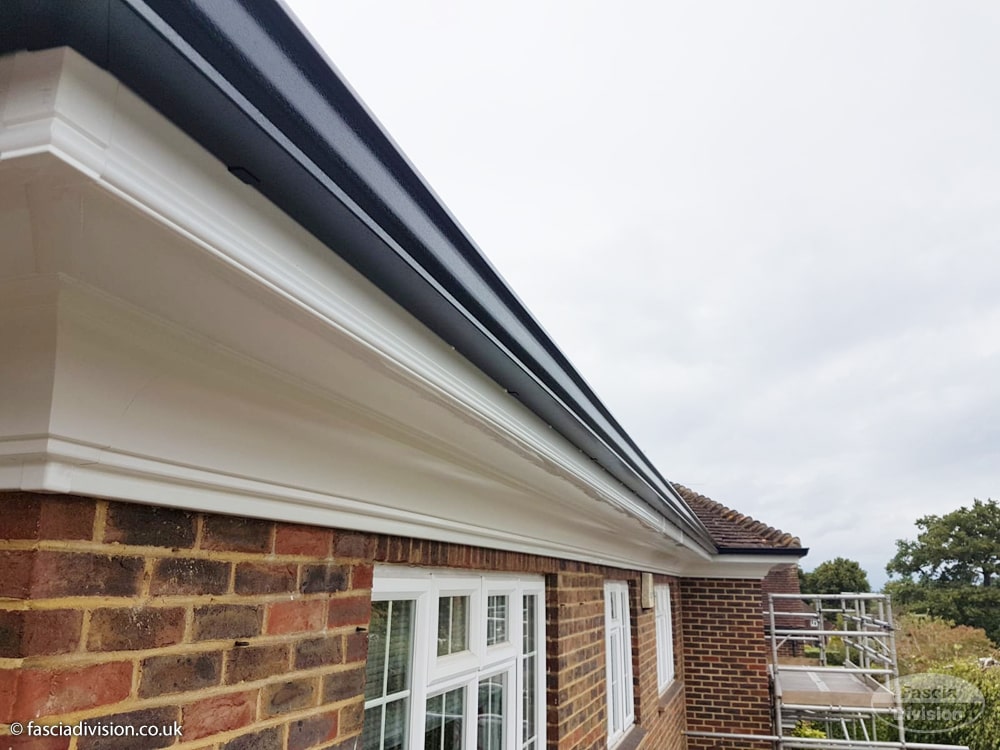
Fascia Installation
Fascia boards are positioned on the lower edges of roofing to give it a finished look and protect the eaves from dampness, mildew, insects, and other harm. They can also help keep shingles and tiles in place. Fascias can be constructed out of a variety including vinyl, wood PVC, aluminum, composites, and more. Each material has its own advantages and disadvantages. However, a properly installed fascia board can last from 20 to 40 or more years.
The most frequent reason to replace or repair a fascia is rot. This is due to the fact that the area is highly vulnerable to water penetration, deterioration, and damage due to its location near the roofline. A damaged or rotting fascia board can also allow water to get under the surface of roof shingles and cause leaks.
It is crucial to repair the fascia board when you notice signs of wetness or rot. If left untreated, it could cause severe damage to your gutters and roof system.
A soffit, also called a vented component, is a component that sits under the roof overhang. It provides ventilation for the attic and helps to draw moisture away from eaves. It also helps to prevent ice-dams in the winter and keeps rodents, pests, and other bugs out of your home. Soffits also prevent water from leaking into the attic, which could cause to mold and other problems.
Homeowners frequently decide to replace or build new fascia boards and soffits themselves rather than employing a professional for the job. This could be a risky project, as it requires ladders and other tools to access the higher areas of the roof. In addition, the incorrect installation of the fascia could hinder the flow of the gutters. This could lead to further problems with moisture.
A qualified contractor will know how to properly install your soffit and fascia to ensure they last longer. They can also give you suggestions on the type of material that is best for your home and the climate in which you reside.
Fascia Repair
If you notice that your fascia is in need of be fixed, it's crucial to have it examined at the earliest opportunity. A well-maintained fascia protects the roof and soffit from water damage while providing an attractive appearance to the eaves. If your fascia has been damaged, it can allow water to leak through, causing wood to rot and may even damage the structure underneath. A damaged fascia could allow pests like rodents and insects to enter your home. Additionally, a damaged fascia could be stained or covered in mildew, which can detract from the look of your home.
A professional should look over your fascia and soffit to determine if there are any areas that require repair or replacement. This includes looking for signs of rot and examining the gutter system to determine if there are any problems. Your fascia or soffit may have to be completely replaced depending on the extent of the damage. When the repair or replacement is completed the soffit must be sealed. It can also be painted to prevent moisture from entering your home.
fascia and soffits Repair of repairing fascia and soffit will vary based on the scope of the work. For instance replacing the entire fascia board can be more expensive than repairing a small area of damage. Furthermore, the type of material used to build your fascia will affect the cost. Wood fascia is a popular choice because it's durable and can be stained to match the exterior of your house. It is one of the most expensive materials to install.
It is recommended that you employ experts to repair your fascia and soffit, regardless of the kind of material. Professionals have the appropriate equipment and know-how to complete the repair fast, efficiently, and safely. They can also provide the guarantee of their work. They can also help you determine if your project requires the building permit. It is crucial to obtain a building permit, as failing to do so could result in penalties and delays. In general, repairs to the fascia don't require permits.